How Food Culture and Culinary Passion Drive Modern Travel Itineraries
Culinary travel allows professionals and food enthusiasts to explore global flavors, regional pastry traditions, and unique dining environments across the world.
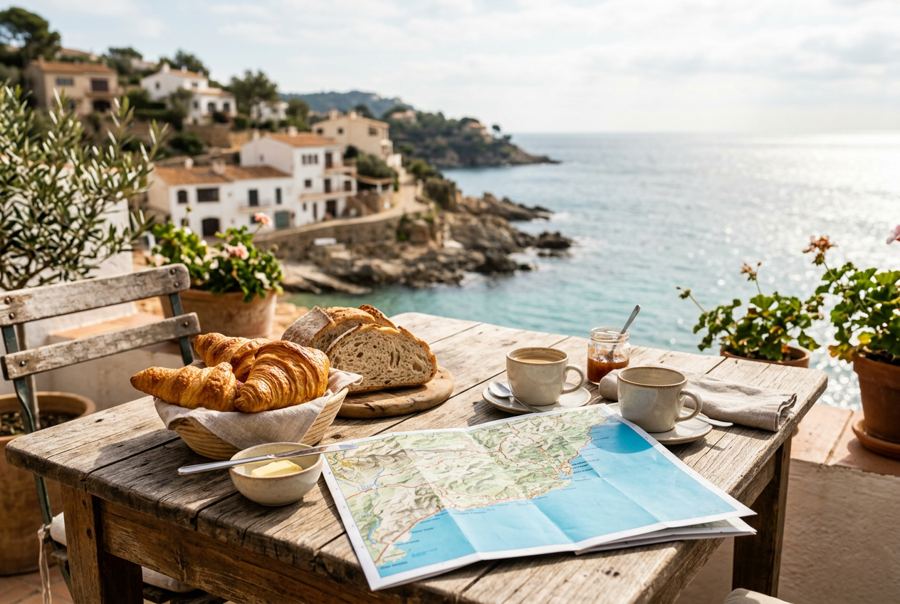
Culinary Destinations and Coastal Itineraries
Planning a holiday through the lens of gastronomy often starts with mapping out regions renowned for specific culinary heritages, from French pastry districts to Mediterranean coastal kitchens. Travelers who appreciate dining concepts look beyond standard tourist sights, prioritizing coastal food stalls, seaside bistros, and historic dining rooms. When exploring maritime cities, these itineraries frequently blend harbor meals with time on the water to view coastal architecture from a different perspective. For instance, visitors organizing trips to major Gulf destinations often schedule private sea trips alongside their dining tours, where choosing yachts for rent in Dubai by Sirbu Waters offers a quiet vantage point along the famous urban skyline. Combining regional seafood discoveries with coastal sightseeing creates a well-rounded travel itinerary centered on relaxation and local food traditions.
Researching Local Bakeries and Artisanal Food Markets
A significant portion of culinary holiday planning involves seeking out authentic bakeries, morning markets, and specialty food producers. Enthusiasts of artisan baking often structure their daily trips around early-morning visits to neighborhood bakehouses to observe traditional dough fermentation, local grain varieties, and regional shaping techniques. From flaky Viennoiserie in Central Europe to spiced flatbreads across the Middle East, these morning excursions provide a practical look into how culture dictates breakfast traditions and baking methods.
Beyond bakeries, open-air markets serve as central destinations for understanding regional produce, cheeses, and aromatic spices. Travelers spend hours mapping out routes through historic spice souks or farm-to-table weekend markets, noting how local climate influences seasonal menus. Interacting with local vendors, sampling raw ingredients, and observing age-old preservation methods give culinary travelers an authentic glimpse into the foundational elements of regional cuisine.
Translating Travel Experiences into Menu Inspiration
The final phase of a food-centric journey takes place long after returning home, as travelers process the flavors, presentation styles, and atmospheric details gathered during their trips. Culinary professionals and passionate home cooks frequently adapt international techniques into their own kitchens, experimenting with regional spice blends, dough hydration levels, or unique plating aesthetics. A single trip to a coastal cafe can inspire new approaches to breakfast presentation, seasonal beverage crafting, or dessert garnishes.
Beyond individual recipes, traveling exposes hospitality enthusiasts to diverse spatial layouts, interior lighting styles, and service traditions that define memorable dining spaces. Observing how different cultures create inviting, comfortable atmospheres in small tea rooms or bustling street corner bakeries offers lasting ideas for host culture back home. Ultimately, structuring travel around food traditions enriches personal creativity and deepens a fundamental appreciation for global hospitality.
More pages
- About Saya Brasserie Saya Brasserie is a cozy Dubai concept offering American breakfasts, hearty lunches, romantic dinners, and delicious cakes.
- Menu Explore fresh bakery items, savory breakfast toasties, pancakes, starters, and healthy salads at SAYA Brasserie.